How to follow VALORANT Champions Shanghai group stage like a pro analyst
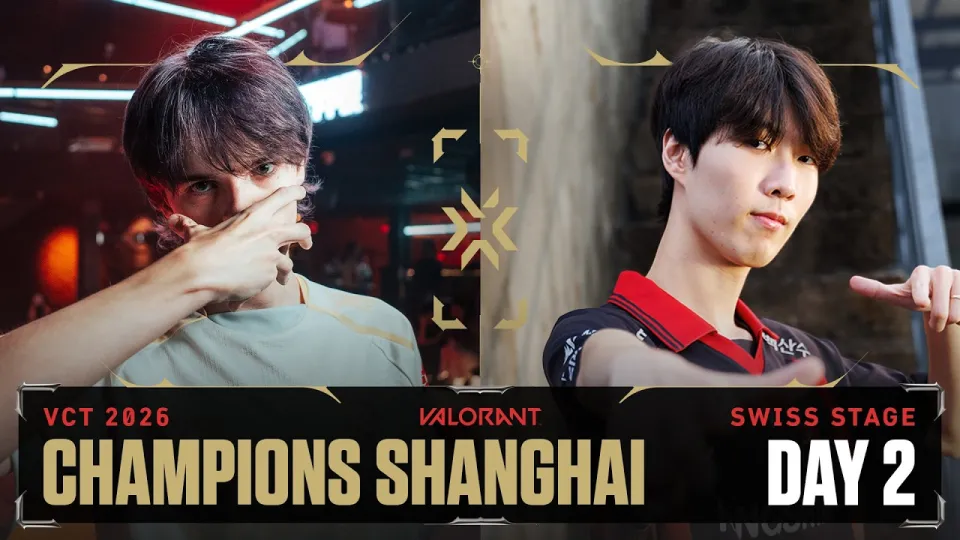
Video: VALORANT Champions Shanghai — Group Stage — Day 2
Need articles like this for your video? They help promote it on YouTube and Google — order them in the Telegram bot @sat_sit_bot. The bot writes and publishes the articles itself (with your YouTube video embedded) on popular topical websites (no ads). Your first 50 articles are free.
· based on the channel VALORANT Champions Tour
Key takeaways
- VALORANT Champions Shanghai runs from September 24 to October 18 and crowns the 2026 world champion.
- Sixteen teams qualify from four regions: Americas, CN, EMEA and Pacific.
- Day 2 of the group stage was streamed by the VALORANT Champions Tour channel on September 25, 2026.
- The event is presented with partners including AWS, Coinbase, HyperX, Mastercard, Red Bull, Secretlab and Verizon.
- Official updates, brackets and clips land first on the VALORANT Esports X account.
Following VALORANT Champions Shanghai properly means tracking four things at once: the 16-team group format, the daily match schedule, the Pick'Ems you locked before the event, and the spoiler risk from highlight channels. Do that, and a single Day 2 broadcast stops being background noise and starts reading like a bracket that is already deciding who reaches the playoff stage. The fastest way to keep up between broadcasts is the official VALORANT Esports account on X, where brackets, results and schedule changes are posted as they happen.
What the VALORANT Champions Shanghai group stage actually is
The group stage is the first phase of the 2026 VALORANT world championship, running inside a wider event window from September 24 to October 18 in Shanghai. Sixteen teams arrive from four competitive regions — Americas, CN, EMEA and Pacific — and the group phase exists to cut that field down before the bracket stage. Because every region sends multiple representatives, the group draw is where regional strength arguments get settled on the server rather than on social media. The VALORANT Champions Tour channel published the Day 2 broadcast on September 25, 2026, covering a full slate of group matches in one sitting.
How to watch a full day of VCT group stage without losing the plot
A single broadcast day can run for hours, so treat it like a card of separate series instead of one long stream. A workable routine:
- Check the schedule and the current standings before pressing play, so you know which series matter for qualification.
- Watch series in order but keep a second screen on the official bracket page for live standings.
- Note map picks and agent compositions per team — group stage patterns repeat in the playoffs.
- Skip the analyst desk only if you already understand the seeding implications; otherwise it is the quickest way to grasp tiebreakers.
- After each series, log the result in your Pick'Ems before the next one starts.
Broadcasts are available on the official VALORANT channels on Twitch, YouTube and Kick, and the Day 2 VOD stays on the VALORANT Champions Tour YouTube channel for anyone in a different time zone.
Spoiler control and why viewers argue about it
The most common complaint around a long VOD is that thumbnails, chat and social feeds leak results before you finish watching. The community's own answer is a spoiler blocker: a pinned comment with timestamps that lets viewers jump straight to a series without seeing the score. If you are watching on delay, that is the single most useful tool in the comment section. Practical habits that work:
- Watch the VOD in full-screen mode with chat hidden.
- Avoid the official results feed until you are caught up.
- Use the timestamp comment to jump between series instead of scrubbing blindly.
- Mute the analyst desk if it references earlier results you have not seen.
The flip side is that some viewers deliberately want the fast version — a "speedrun" through the day's results — which is exactly why both spoiler-free and results-first formats coexist in the comments.
Regional slots, CN results and the debate they trigger
Every international VALORANT event revives the same argument: how many slots each region deserves and whether CN should hold its own qualification path instead of merging into Pacific. The Day 2 comment section leaned heavily into that debate, with viewers questioning whether CN's four slots were producing competitive matches or one-sided ones. That criticism is worth understanding rather than dismissing, because it shapes how you read group stage results:
- Slot allocation is a structural decision made before the event, not a reaction to individual results.
- A weak group day does not automatically mean a weak region — sample size inside one group stage is small.
- Regional depth shows up over multiple international events, not one broadcast.
- CN's separate slot pool also reflects a distinct audience and server ecosystem, which is why the region exists as its own competitive territory.
For a follower of VALORANT esports, the useful takeaway is to separate roster quality from structural arguments. Judge teams on map pool, mid-round calling and clutch conversion; judge regions on multi-event trends.
Reading a lopsided series like an analyst
When a group stage series looks one-sided, the interesting information is in the details, not the scoreline. Viewers flagged communication quality and mid-round decisions as the giveaway in at least one CN team's broadcast segment, and that is a legitimate analytical lens. Things to watch:
- Default setups on attack — are they taking map control or walking into stacks?
- Retake discipline on defense — how many players commit and how early.
- Economy management after a lost pistol round.
- Utility usage on entry — are flashes and smokes timed with the push or thrown late?
- Post-plant positioning and whether the team plays for time or for duels.
Those five markers explain most blowouts better than raw aim statistics, and they carry over directly into how you evaluate the same teams in the playoff bracket.
Interviews, translations and broadcast pacing
Broadcast pacing is a recurring viewer gripe: translated interviews can take noticeably longer than the original answer, which slows the show between series. That is a production trade-off, not a competitive one. If pacing bothers you, the workaround is simple — watch the matches live and catch interviews separately, or skip the desk segments on the VOD using the timestamp comment. For viewers who care about player intent, though, translated interviews are often the only place where a team explains a map pick or a role swap, so they are worth a few extra minutes when a result genuinely surprises you.
Useful links
- Official VALORANT Esports updates: https://x.com/valorantesports
- Facebook: https://www.facebook.com/ValorantEsports/
- Instagram: https://www.instagram.com/valorantesports/
- TikTok: https://www.tiktok.com/@valorantesports
- Twitch: https://www.twitch.tv/valorant
What to take away from the Shanghai group stage
VALORANT Champions Shanghai condenses a whole season of regional storylines into a few weeks, and the group stage is where the 16-team field from Americas, CN, EMEA and Pacific gets sorted. Watching it well comes down to preparation: know the format, track standings live, protect yourself from spoilers, and read series for structure rather than scoreline. The Day 2 broadcast from the VALORANT Champions Tour channel is a good template for that routine, and the channel remains the reference point for full VODs, highlights and desk analysis across the event. Follow VALORANT Esports on X to catch brackets, schedules and results as the tournament moves toward the playoff stage.
Questions & answers
How many teams play in the VALORANT Champions Shanghai group stage?
Sixteen teams compete at the event, drawn from four regions: Americas, CN, EMEA and Pacific. The group stage reduces that field before the bracket phase begins. Each region sends multiple representatives, which is why group results are often read as regional strength tests.
Why do viewers complain about CN getting its own regional slots?
The argument is that a separate CN slot pool can produce one-sided group matches and takes spots other regions might use. Supporters point to CN's distinct server ecosystem and audience as reasons the region stands on its own. Slot allocation is decided before the event, so it is a structural debate rather than a reaction to one day of results.
What is a spoiler blocker and do I need one?
A spoiler blocker is a pinned comment with timestamps that lets you jump between series on a long VOD without seeing scores. If you watch on delay, it is the most practical way to avoid results leaking from thumbnails, chat or social feeds. If you prefer results first, you can simply ignore it.
Where can I watch the full VALORANT Champions Shanghai broadcasts?
Full VODs are published on the VALORANT Champions Tour YouTube channel, and live matches air on the official VALORANT channels on Twitch, YouTube and Kick. Official schedules, brackets and results are posted on the VALORANT Esports X account. That combination covers both live viewing and catch-up.
Source: VALORANT Champions Shanghai — Group Stage — Day 2 · Markdown version